
How to Craft Cleavers and Harvest Livestock Carcasses
guide
Forging the Heavy Butcher's Cleaver
Establishing an authentic homestead slaughterhouse begins by forging heavy-bladed butchery tools on the anvil.
- Combining iron nuggets, a refined iron ingot, and a polished wooden handle crafts the formidable
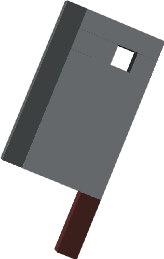 Cleaver.
 - The cleaver functions as a specialized butchering weapon designed to harvest intact animal corpses from livestock.
- Striking mature farm animals with the cleaver delivers high cutting damage while cleanly severing joint tissues.
- Harvesting livestock with standard swords destroys usable carcasses, making the specialized cleaver absolutely mandatory.
- Maintaining an anvil nearby ensures you can sharpen and repair your cleaver between large seasonal slaughter routines.
- Always carry a durable cleaver when culling domestic animal herds to maximize raw culinary and tanning yields.
- Mastering the wide sweeping swing of the cleaver enables quick, humane harvesting of livestock in pastoral pens.
Harvesting Domestic Animal Carcasses
Dispatching mature livestock with your cleaver yields intact anatomical corpses tailored for processing stations.
- Harvesting dairy cattle yields a heavy, multi-jointed carcass block known as a
 Cow Carcass.
 - Culling domestic swine provides a thick, fat-marbled specimen called a
 Pig Carcass for bacon processing.
 - Processing poultry coops yields compact specimens of
 Chicken Carcass, ideal for rotisserie roasting.
 - Harvesting woolly pasture animals provides a dense
 Sheep Carcass packed with rich mutton and fleece.
 - Carrying carcasses requires substantial inventory space, encouraging butchers to set up processing pens near animal barns.
- Consolidating fresh carcasses inside cool meat lockers prevents spoilage before hoisting onto hanging hooks.
- Transporting fresh carcasses to processing bays immediately preserves tender meat cuts and prevents contamination.
Operating Overhead Meat Hooks
Suspending harvested carcasses upon overhead iron hooks allows butchers to perform clean, anatomical dismemberment.
- Mounting a sturdy iron
 Meat Hook onto ceiling joists creates the primary suspension butchering station.
 - Right-clicking the hook while holding a carcass hoists the animal aloft, securing it firmly for skinning.
- Wielding your cleaver against the suspended carcass systematically cuts away tender loins, ribs, and soup bones.
- Suspended butchering keeps meats elevated away from dirty slaughterhouse floors, maintaining sanitary food standards.
- Equipping slaughterhouses with multiple hanging meat hooks enables rapid processing of entire livestock herds.
- Mastering cleaver harvesting and meat hook butchery forms the cornerstone of every prosperous meatpacking trade.
- Cleanly sectioning suspended carcasses yields premium cuts of meat that fetch high prices from village tavern keepers.