
Butchery Core Resources: Salt, Skins, and Alternative Uses
Blood and Its Byproducts
Blood is one of the most common materials you will handle. To gather it, place a 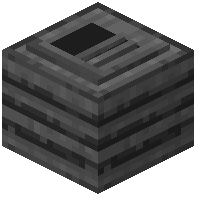 Blood Grate beneath a carcass while bleeding it out. The grate catches the liquid as it drips. You can then take the blood out using either a
  Bucket or a Bottle. If you fill bottles, those can go into a
  Meat Grinder as part of recipes that yield blood sausages. Because blood appears so frequently during normal butchering, keeping a few bottles on hand for grinding is a practical habit rather than a special task.
Animal Fat as a Utility Resource
During the butchering process, you will also collect  Animal Fat. This material is not just a leftover; it has two notable uses. First, you can craft
  Candles from it, giving you a light source that fits into your base design. Second, fat works as a low-grade fuel. It can burn in furnaces and similar devices, standing in for coal or wood. This makes fat a useful backup when you are low on conventional fuels, especially if you process many animals at once and end up with a surplus.
Skins and Their Path to Leather
Skins come from butchering carcasses as well. On their own, they are not ready for crafting. To turn them into  Leather, place them on a
 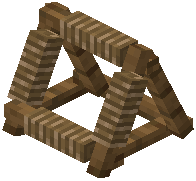 Skin Rack. However, the rack alone will not do the job. The conversion requires
  Salt as an essential ingredient. Without salt, your skins will just sit on the rack. Once you apply salt through the proper process, the skins cure into leather, which you can then use for standard leather recipes.
Getting Salt
Salt is central to your leather production, so knowing how to find it matters. There are three main routes.
- Build a Basin: The simplest method is crafting a
 Basin. Fill it with water and leave it outside. Over half a Minecraft day, the water evaporates, leaving salt behind. You can remove the salt by right-clicking the basin, or you can set up a hopper to pull it out automatically. The basin only works in direct sunlight. It will not evaporate at night or while it is raining, so plan your collection around clear daytime hours.
 - Search Underwater: Salt also appears naturally as discs on the ocean floor, similar to how clay generates. Exploring underwater can yield salt without any setup.
- Find Salt Formations: In ocean biomes, you may come across large salt deposits, often accompanied by tall salt spikes. These formations hold a substantial amount of salt, making them worth a dedicated trip.
Compatibility with Other Salt
If you have salt from other mods, you are not locked into only using Butchery's salt. As long as that salt carries the standard forge salt tag or the common c salt tag, it will work in Butchery's recipes. This means you can mix sources freely. If your other mods provide salt through their own machines or world generation, that salt is just as valid for curing skins as the salt you collect from a basin or an ocean deposit.
Practical Notes
Because salt is required for leather, and leather is a core output of your butchering line, setting up a basin early will save you from repeated underwater trips. Place it in a spot that gets full sun for most of the day. If you rely on ocean exploration instead, mark the coordinates of any salt formations you find so you can return when your supply runs low. And remember, animal fat and bottled blood are not waste—they feed into candles, fuel, and sausage production, so store them alongside your other butchering outputs rather than discarding them.
Covers the mod’s in-game guide topics: Blood Animal Fat Skins Salt Salt Basin
 Salt Formation
 Blood
Blood