
Crafting with the Botanist Workbench and Vines
guide
Operating the Botanist Workbench
Transforming common agricultural crops, vines, and natural blocks into thousands of decorative variants begins here.
- Combining wooden planks, leaves, and shears on a crafting table manufactures the dedicated
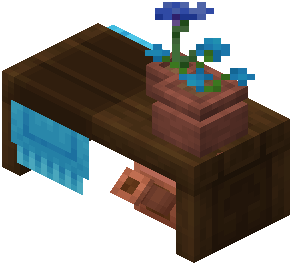 Botanist Workbench.
 - Placing hay bales, pumpkins, melons, and lily pads inside the workbench opens an expansive cosmetic crafting menu.
- The botanist workbench allows architects to convert a single vanilla block into dozens of intricate botanical patterns.
- All cosmetic conversions maintain a strict one-to-one ratio, allowing endless aesthetic experimentation with zero waste.
- Crafting a specialized brass gardening tool manufactures the functional
 Watering Can for irrigating plots.
 - The botanist workbench serves as an indispensable workstation for designing botanical gardens, parks, and greenhouses.
- Positioning the workbench centrally inside your greenhouse keeps organic carving tools readily accessible.
Carving Rustic Wooden Crates and Barrels
Decorating rustic agricultural barns, taverns, and marketplace stalls is elevated with carved storage containers.
- Feeding standard acacia planks into the botanist table carves realistic fruit containers like an
 Acacia Crate.
 - Craftsmen can also carve matching decorative storage casks such as the rustic
 Acacia Barrel.
 - Chipped crates and barrels feature detailed metal banding, open fruit slats, and reinforced corner brackets.
- Carrying a fine steel handheld
 Chisel allows architects to cycle block patterns directly in-world on the fly.
 - Stacking crates and barrels along village market stalls creates bustling, authentic medieval merchant atmospheres.
- Combining carved crates with hanging foliage brings vibrant life to previously barren survival storehouses.
- Stockpiling diverse timber crates allows decorators to customize storage aesthetics across different regional biomes.
Architectural Landscape Design with Chipped Flora
Integrating chipped plant blocks, crates, and stone pathways transforms simple cabins into breathtaking estates.
- Carve carved mossy stones, weeping vines, and overgrown brickwork to design ancient forgotten ruin gardens.
- Arrange carved fruit crates overflowing with apples and berries to furnish lively outdoor tavern patios.
- Install subtle downlighting beneath carved foliage blocks to illuminate garden pathways with soft natural light.
- Pave winding greenhouse promenades with patterned wood mosaics and carved lily pad stepping stones.
- Mastering the botanist workbench, crate carving, and organic landscape design unlocks boundless botanical creativity.
- Conducting seasonal landscape updates keeps estate gardens fresh, engaging, and delightfully immersive year-round.