Munitions, Shells, and Foundry Casting Recipes in CBC
guide
Ammunition and foundry casting in Create Big Cannons transforms molten metals, guncotton, and wooden components into armor-piercing rounds and customized artillery shells.
Foundry Basin Melting
Before casting cannon parts or ingots, solid metals must be liquefied in a heated basin:
- 1
 Block of Bronze -> 810mb Molten Bronze
 - 1
 Bronze Ingot -> 90mb Molten Bronze
 - 1
 Bronze Scrap -> 10mb Molten Bronze
Liquefied metals are poured directly into mould basins to cast cannon barrels, breeches, and chambers.
Autocannon Munitions Crafting
Autocannons fire high-velocity rounds crafted at standard benches:
 Armor Piercing (AP) Autocannon Round: Crafted from 1
  Cast Iron Ingot and 1
  Iron Ingot. Delivers strong penetrating force against wooden targets and light armor.
 Flak Autocannon Round: Peppers airborne targets with lethal shrapnel clouds.
 Machine Gun Round: Cost-effective ammunition designed specifically for anti-infantry defense.
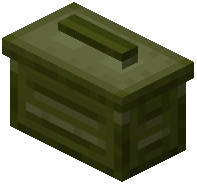 Autocannon Ammo Container: Crafted from 1
  Brass Ingot and 1
  Iron Sheet to feed rapid-fire ammunition into autocannon breeches.
Mechanical Crafting of Heavy Shells
Heavy artillery shells require a three-by-three Mechanical Crafting grid:
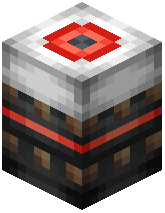 Armor Piercing (AP) Shell: Combine 1 Cast Iron Ingot, 1 Iron Ingot, 1
  Oak Slab, and 1
  Packed Guncotton.
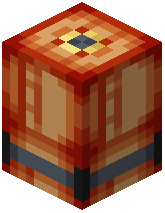 High Explosive (HE) Shell: Combine 1 Iron Ingot, 1 Oak Slab, and 1 Packed Guncotton.
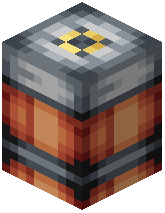 Fluid Shell: Combine 1 Iron Ingot, 1
 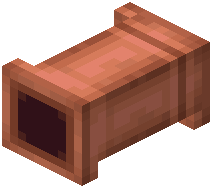 Fluid Pipe, and 1 Oak Slab.
Fuze Attachment and Ballistics
Shells can be customized with nose or base fuzes:
 Impact Fuze: Detonates upon front impact against solid blocks.
 Delayed Impact Fuze: Detonates shortly after penetration, wreaking havoc inside fortified structures.
 Inertia Fuze: Sophisticated fuze functioning reliably on bounces and ricochets.
 Proximity Fuze: Detonates when passing near airborne or surface targets.
Propellant Charges and Firing Safety
In addition to crafting projectile heads, artillery crews must manufacture propellant charges:
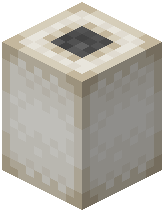 Powder Charge: Crafted from gunpowder, string, and paper, providing the kinetic burst that propels shells through the barrel.
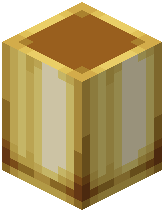 Big Cartridge: Combines brass casing sheets with propellant to form heavy artillery charges.
- Never overload a cannon with more powder charges than its chamber and barrel metallurgy can withstand, as excess explosive pressure will rupture the gun and destroy nearby crew members.