
How to Build Pipe Organs in Create Sound of Steam
guide
Building pipe organs in Create Sound of Steam allows engineers to construct massive, steam-powered musical instruments that play acoustic organ pipes driven by pressurized boilers. By routing steam into windchests and mounting ranks of metallic and wooden flue pipes, players can turn kinetic factories into thunderous acoustic performance halls.
Supplying Steam with Windchests
A pipe organ cannot generate sound without a pressurized air and steam reservoir:
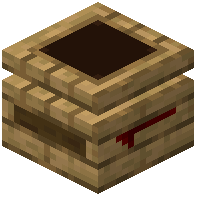 Windchest: The modular foundation block placed directly beneath organ pipes. Craft six Windchests by combining one Fluid Pipe, one Spruce Slab, one Redstone Dust, and one Oak Planks block at a crafting table.
- Windchests connect together horizontally to form a continuous air manifold.
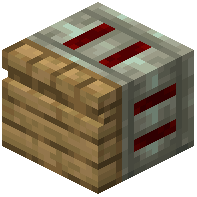 Windchest Controller: To feed steam into the windchests, place a Windchest Controller on the intake line. Craft the controller with two Oak Planks, three Zinc Ingots, one Spruce Slab, and one Redstone Dust.
- Connect a pressurized steam supply from a Create boiler into the Windchest Controller using Fluid Pipes. The controller distributes steady steam pressure across the entire windchest array.
Crafting Pipe Bases and Mounting Boots
Every organ pipe requires a dedicated mounting base and a specialized acoustic boot:
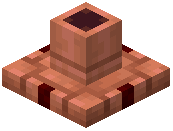 Pipe Base: Combine one Fluid Pipe with one Copper Ingot in a crafting table to produce six Pipe Bases.
- Boots: Boots act as the directional anchors that hold the pipes firmly onto the windchest slots:
 Brass Boot: Place three Brass Sheets in an open U-pattern to craft six Brass Boots.
 Copper Boot: Place three Copper Sheets in an open U-pattern to craft six Copper Boots.
 Iron Boot: Place three Iron Sheets in an open U-pattern to craft six Iron Boots.
 Dark Oak Boot: Place seven Dark Oak Planks in a U-pattern to craft six Dark Oak Boots.
Assembling Flue Pipe Ranks
Flue pipes produce sound when steam blows across an open acoustic labium, similar to a traditional recorder or whistle. Each pipe type delivers a distinctive tonal color:
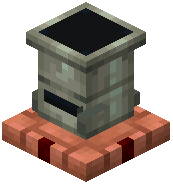 Diapason: The signature metallic principal tone of any organ. Craft using two Zinc Ingots placed directly above one Pipe Base. Placing a Diapason in a Stonecutter allows free conversion into a
 Prestant and back.
 Gamba: Produces a sharp, bowed string timbre. Crafted using one Iron Ingot and one Iron Sheet above one Pipe Base.
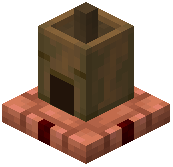 Gedeckt: A warm, stopped wooden flute rank. Crafted using one Spruce Planks block and one Spruce Slab placed over one Pipe Base.
 Hohlflute: A clear, hollow open wooden flute. Crafted with one Birch Planks block and one Birch Slab over one Pipe Base.
 Nasard: A bright harmonic mutation rank crafted with two Copper Ingots over one Pipe Base.
 Piccolo: A piercing high-register flute. Crafted using one Cherry Log and one Iron Ingot above one Pipe Base.
 Rohrflote: A chimney flute with a metallic harmonic edge. Crafted with one Iron Sheet and one Iron Ingot over one Pipe Base.
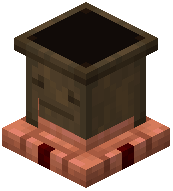 Subbass: A massive, deep sixteen-foot pedal rank that rumbles the floor. Crafted using one Dark Oak Planks block and one Dark Oak Slab over one Pipe Base.
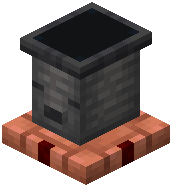 Viola: A rich string stop assembled with two Blocks of Industrial Iron over one Pipe Base.
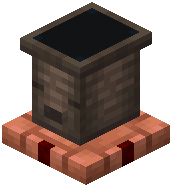 Vox Celeste: An ethereal, shimmering undulating rank crafted with two Blocks of Weathered Iron over one Pipe Base.
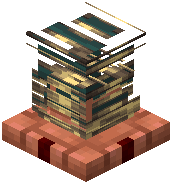 Haunted Whistle: Subject a standard Create Steam Whistle to Soul Fire Haunting (placing it near soul campfire flames with an encased fan). This transforms the whistle into a spectral, eerie pipe rank.
Tuning and Pipe Extensions
Mounting pipes onto windchests allows pitch customization:
- The pitch of any mounted flue pipe is determined by its physical height and pipe extension segments.
- Adding pipe extensions raises the pipe column, lowering the fundamental pitch octave.
- Right-clicking mounted pipes with a Wrench allows fine-tuning semitone offsets, ensuring your organ ranks play perfectly in concert pitch.