
Industrial Blasting and Steel Casting in Create TFMG
Industrial blast furnaces and fluid casting basins in Create TFMG form the metallurgical backbone of advanced heavy engineering, converting crude ores and mineral fluxes into structural steel ingots and refined concrete blocks. Smelting steel requires operators to maintain strict flux ratios and thermal airflow before casting molten metal into usable plates and ingots.
Smelting Steel in the Industrial Blast Furnace
Unlike primitive furnaces, the industrial blast furnace consumes raw ore alongside limesand flux to eliminate impurities and yield molten steel:
- Crushed Iron Smelting: Feeding one portion of Crushed Raw Iron or Iron Dust alongside one Limesand flux block melts down into 144mb of Molten Steel.
- Raw Iron Smelting: Processing one uncrushed Raw Iron chunk with one Limesand block yields 288mb of Molten Steel, maximizing resource returns per craft.
During high-temperature reduction, byproducts such as molten slag accumulate and must be tapped periodically to prevent chamber blockages. Introducing hot air from blast stoves heated with fuel accelerates reaction rates within the reduction column: blending 25mb of ambient Air with 5mb of Blast Stove Fuel produces 25mb of pressurized Hot Air.
Casting Ingots, Slag, and Construction Blocks
Molten fluids pumped from furnace crucibles into casting basins solidify into structural blocks and metal ingots:
- Steel Ingot: Channelling 144mb of Molten Steel into an open casting table solidifies the liquid metal into one finished Steel Ingot.
- Block of Slag: Pumping 20mb of molten slag into a basin produces one Block of Slag, an excellent aggregate for concrete mixing.
- Cinderblock: Casting 144mb of Liquid Concrete produces one sturdy Cinderblock for factory foundations.
- Plastic Sheet: Pouring 200mb of Molten Plastic into a casting basin yields one Plastic Sheet.
- Silicon Ingot: Blasting raw quartz yields 40mb of Liquid Silicon; pouring 144mb of Liquid Silicon into a casting table produces one refined Silicon Ingot for circuit fabrication.
Managing Blast Furnace Byproducts
Safeguarding blast furnace operations requires dedicated piping to evacuate exhaust gases and molten slag. Tapping liquid slag into automated casting tables provides recycled material for road asphalt and concrete mixtures, transforming metallurgical waste into durable construction masonry. Maintaining automated level sensors ensures that molten metal feeds continuously without overflowing holding tanks, keeping steel production running around the clock.
 Concrete Mixture
 Liquid Concrete
 Liquid Silicon
 Molten Plastic
 Plastic Sheet
 Silicon Ingot
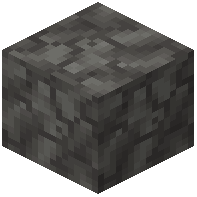 Block of Slag
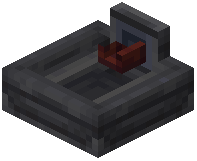 Casting Basin
 Molten Steel
 Cinderblock
 Steel Ingot
 Blast Stove