
Chemical Mixer and Reactor Fluid Processing Pipelines
Chemical mixers and reactors form the core chemical engineering backbone for industrial synthesis, acid manufacturing, and plastics production in Electrodynamics. Integrating fluid tanks, gas conduits, and reaction vessels allows factories to generate essential process reagents like sulfuric acid, hydrofluoric acid, and molten polyethylene.
Assembling the Chemical Mixer
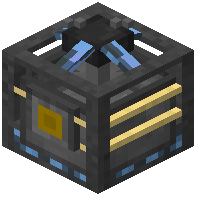
The Chemical Mixer combines solid powdered reagents with liquid solvents to produce specialized chemical solutions:
- Crafted from four
 Steel Plate, two
 Advanced Circuit, two
 Motor, and one
 Bronze Gear.
- Requires a Low Voltage (LV) or Medium Voltage (MV) electrical connection.
Key Chemical Mixer recipes include:
- Hydraulic Fluid: Synthesized by mixing five hundred millibuckets of ethanol with one
 Silica Dust, producing one thousand millibuckets of hydraulic fluid for powered tools.
- Hydrofluoric Acid: Produced by combining one thousand millibuckets of sulfuric acid with one raw fluorite, yielding one thousand millibuckets of hydrofluoric acid.
- Clay Slurry: Formed by mixing one thousand millibuckets of water with one dirt block.
- Molten Polyethylene: Synthesized by mixing one thousand millibuckets of ethanol with one
 Chromium Disilicide, yielding one thousand millibuckets of liquid polyethylene.
- Sulfuric Acid: Produced by dissolving one unit of
 Sulfur Trioxide into one thousand millibuckets of water, yielding two thousand five hundred millibuckets of sulfuric acid.
- Molybdenum Sulfate Solution: Produced by dissolving farm produce into one hundred millibuckets of sulfuric acid (using six carrots, four potatoes, or five wheat), yielding two hundred fifty millibuckets of molybdenum solution.
Assembling the High-Pressure Chemical Reactor
The Chemical Reactor handles multi-phase chemical synthesis involving pressurized gases and reactive liquid acids:
- Crafted from two
 Tin Gear, two
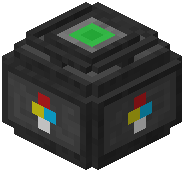 Steel Gas Cylinder, one Advanced Circuit, one
 ALON, one Motor, and two
 Silver Wire.
- Operates under high electrical load and accepts simultaneous liquid and pressurized gas inputs.
Key Chemical Reactor processes include:
- Ammonia synthesis: Reacts two thousand millibuckets of water with one thousand millibuckets of nitrogen gas and one thousand millibuckets of hydrogen gas under heat and pressure, producing one thousand millibuckets of ammonia gas.
- Aqua regia synthesis: Reacts one thousand millibuckets of hydrochloric acid with one thousand millibuckets of nitric acid, yielding one hundred millibuckets of concentrated aqua regia for dissolving noble metals.
Connecting automated pumps and chemical pipes between mixers and reactors establishes a self-sustaining petrochemical and acid refinement infrastructure.
 Chemical Mixer