
Embers Rekindled Ore Processing, Alloying, and Material Production Guide
Ore processing, alloying, and material production in Embers Rekindled run through four distinct machine systems: the Melting, the Stamping, the Mixing, and the Alchemy. Each one handles a different stage of turning raw materials into usable metals, alloys, and byproducts. Understanding what each machine accepts and produces is the foundation for any serious production setup.
The Melting
The Melting is the primary ore processing machine, with 129 recipes in total. It converts solid metal items into molten metal, which is measured in millibuckets (mb). The output amount scales with the input form: a single nugget yields a small amount of molten metal, while a full storage block yields far more.
The pattern is consistent across the metals covered. For Aluminum, the recipes include:
- Gears produce Molten Aluminum x180
- Ingots and Plates each produce Molten Aluminum x90
- Nuggets produce Molten Aluminum x10
- Ores produce Molten Aluminum x240
- Raw Materials produce Molten Aluminum x120
- Storage Blocks produce Molten Aluminum x810
- Raw Aluminum Storage Blocks produce Molten Aluminum x1080
The same structure applies to the alloy metals. Brass, Bronze, and Constantan all follow the identical scale: gears give x180, ingots and plates give x90, nuggets give x10, and storage blocks give x810. Copper follows the same pattern as well, with gears producing Molten Copper x180.
Notably, the Melting handles both raw ore and processed forms, so you can feed it ores, raw materials, ingots, nuggets, plates, gears, or storage blocks depending on what you have on hand.
The Stamping
The Stamping machine has 25 recipes and serves a different role. It breaks materials down into smaller components or converts one material into another. Several of its recipes take an  Ember Shard as the input and produce an Aspectus of a specific metal — for example,
  Copper Aspectus,
  Dawnstone Aspectus,
  Iron Aspectus,
  Lead Aspectus, and
  Silver Aspectus.
Other Stamping recipes produce standard metal forms. There are entries that output  Copper Ingot,
  Copper Nugget,
  Copper Plate,
  Dawnstone Ingot,
  Dawnstone Nugget,
  Dawnstone Plate,
  Gold Ingot,
  Iron Ingot,
  Iron Plate,
  Lead Ingot,
  Lead Nugget,
  Lead Plate,
  Silver Ingot, and
  Silver Nugget.
A few Stamping recipes handle non-metal conversions:
 Alchemical Waste becomes Ash x8
 Blaze Rods become Blaze Powder x4
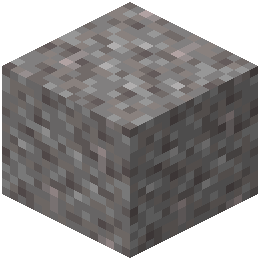 Gravel becomes
 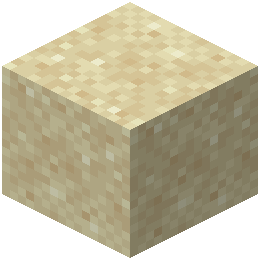 Sand
Sand Ember Crystal becomes Ember Shard x6
- Ember Shard becomes
 Ember Grit
The Mixing
The Mixing machine has 8 recipes and is where alloy production happens. It combines molten metals, or other fluids, to create new materials. The ratios matter, and the outputs are always small quantities of the mixed fluid.
The alloy recipes are:
- 2 mb Molten Copper + 2 mb Molten Zinc produces Molten Brass x4
- 3 mb Molten Copper + 1 mb Molten Tin produces Molten Bronze x4
- 2 mb Molten Copper + 2 mb Molten Nickel produces Molten Constantan x4
- 2 mb Molten Copper + 2 mb Molten Gold produces Molten Dawnstone x4
- 2 mb Molten Silver + 2 mb Molten Gold produces Molten Electrum x4
- 2 mb Molten Iron + 1 mb Molten Nickel produces Molten Invar x3
The Mixing also handles two non-metal fluid recipes:
- 10 mb Soul Crude + 5 mb Dwarven Gas produces Dwarven Oil x30
- 5 mb Soul Crude + 20 mb Steam produces Dwarven Oil x10
Notice that the Dwarven Oil recipes use different ingredient ratios and produce different amounts, so the two paths are not equivalent.
The Alchemy
The Alchemy machine has 34 recipes. It is the fourth production system alongside Melting, Stamping, and Mixing, and it rounds out the material processing chain. Its specific recipes are not detailed here, but it operates as a distinct machine with its own inputs and outputs.
Putting It Together
A typical production chain moves material through several of these machines. Ore or raw material goes into the Melting to become molten metal. Molten metals are combined in the Mixing to form alloys such as Brass, Bronze, Constantan, Dawnstone, Electrum, and Invar. The Stamping handles breakdown and conversion of solid items, including producing Aspectus from Ember Shards and turning Ember Crystals into Ember Shards. The Alchemy provides an additional processing path with its own 34 recipes.
Each machine has a fixed recipe set, so planning around the exact input forms and quantities — especially the millibucket ratios in the Mixing — is essential for efficient material production.
Covers the mod’s in-game guide topics: Melting Stamping Mixing Alchemy Blasting Smelting