
Cultivating Wisteria, Plum Groves, and Wetland Flora
guide
Cultivating blooming wisteria canopies, tending plum tree orchards, and processing marsh reeds introduces diverse flora and renewable textile materials in Environmental. From cascading pastel leaves to waterlogged cattails, these wild botanical species furnish distinctive construction lumber, decorative horticulture, and craft supplies.
Propagating Plum Groves and Harvesting Fruit
Plum trees produce edible orchard harvests, durable timber, and specialized saplings suited for agricultural estates.
- Harvesting fruit and saplings: Breaking or shearing plum tree foliage drops fresh
 Plum harvests along with
 Plum Sapling,
 Cheerful Plum Sapling, and
 Moody Plum Sapling specimens.
- Bulk storage: Packing 9 Plum in a three-by-three crafting grid produces 1
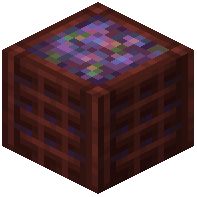 Crate of Plums, while uncrafting a crate returns all 9 plums for kitchen consumption.
- Timber carpentry: Milling raw wood yields 4
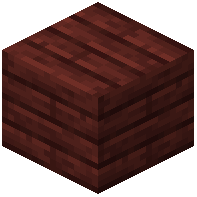 Plum Planks per
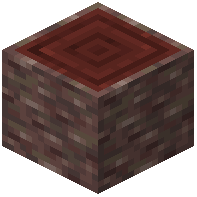 Plum Log, which craft into standard building components including slabs, stairs, doors, trapdoors, fences, and signs.
- River navigation: Combining 5 Plum Planks crafts 1 standard
 Plum Boat, while expanding the hull with 5 additional planks builds 1
 Large Plum Boat for cargo transport.
- Apiary woodwork: Assembling 6 Plum Planks with 3
 Honeycomb crafts 1
 Plum Beehive for housing bee colonies, while combining 6 planks with 3
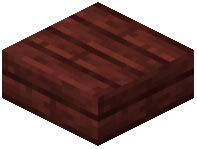 Plum Slab builds 1
 Chiseled Plum Bookshelf.
- Sawmill efficiency: Processing logs through a Sawmill increases lumber yields, producing 4
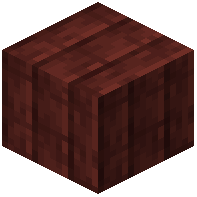 Plum Boards from a single log.
Cultivating Cascading Wisteria Canopies
Wisteria trees generate in four vibrant pastel varieties, producing dense hanging floral canopies across temperate woodlands.
- Blossom varieties: Explorers can locate four color variants including
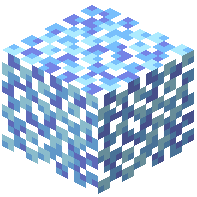 Blue Wisteria Leaves,
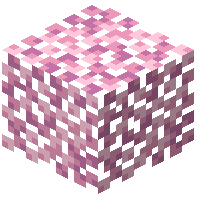 Pink Wisteria Leaves,
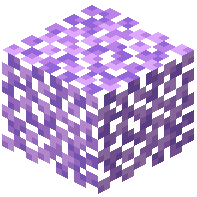 Purple Wisteria Leaves, and
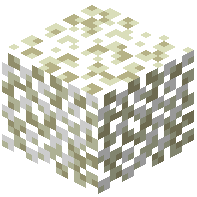 White Wisteria Leaves.
- Shearing leaf foliage: Shearing branches yields leaf piles, where assembling 4 leaf piles in a two-by-two square reconstitutes a complete leaf block.
- Trailing vines: Cascading floral vines yield decorative
 Blue Hanging Wisteria Leaves,
 Pink Hanging Wisteria Leaves,
 Purple Hanging Wisteria Leaves, and
 White Hanging Wisteria Leaves.
- Landscape planting: Planting saplings such as the
 Blue Wisteria Sapling,
 Pink Wisteria Sapling,
 Purple Wisteria Sapling, and
 White Wisteria Sapling allows gardeners to design multi-colored arboreal gardens.
Harvesting Cattails and Wetland Wildflowers
Waterlogged marshlands and quiet riverbanks support fibrous vegetation suited for renewable string and architectural thatch.
- Harvesting reeds: Swamp waters feature abundant
 Cattail stalks, where mature sprouts yield 2
 Cattail Fluff per harvest.
- Storing fibers: Packing 9 Cattail Fluff compresses the material into 1 soft
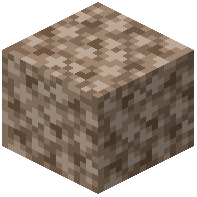 Cattail Fluff Block, which breaks down back into 9 fluff pieces.
- Renewable cordage: Arranging 7 Cattail Fluff on a crafting grid spins 1
 String, eliminating the need to hunt spiders for basic bows and fishing rods.
- Rustic thatch architecture: Binding 4 Cattail reeds together crafts 4
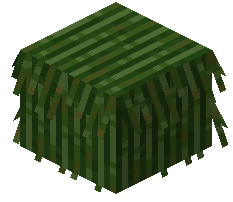 Cattail Thatch blocks, which shape into 6
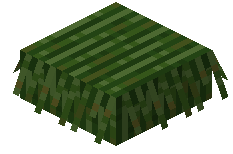 Cattail Thatch Slab or 4
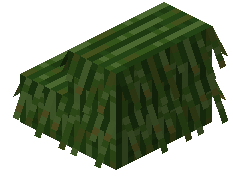 Cattail Thatch Stairs for roofing.
- Foraging wildflowers: Exploring natural meadows yields unique decorative flora, including the
 Bluebell (which breaks down into
 Blue Dye), the upright
 Bird of Paradise,
 Dianthus,
 Tasselflower, and delicate blossoms across
 Blue Delphinium,
 Pink Delphinium,
 Purple Delphinium, and
 White Delphinium.