
Smoking Green Tea Leaves and Black Dye in Herbal
guide
Processing tea leaves in Let's Do HerbalBrews involves smoking, curing, and drying fresh harvest fronds into black dye, green pigments, and tea bags.
Foraging Wild Leaves and Processing in Smokers
Cultivating exceptional tea crops requires harvesting tender green foliage and curing leaves over gentle wood smoke:
- Forage through temperate hilltops and mountain valleys to locate wild tea bushes and harvest fresh
 Green Tea Leaf.
 - Place freshly picked green tea leaves directly into a conventional kitchen smoker or smokehouse chamber.
- The gentle billowing hickory smoke dries the leaf moisture, curing the botanical into bright
 Green Dye.
 - Utilizing kitchen smokers to cure tea fronds provides a fast, renewable source of green dye without hunting cactus plants in deserts.
- Spread fresh leaves across outdoor drying racks to undergo natural air dehydration over several sunny daylight hours.
- Air dehydration transforms emerald leaves into dark, deeply aromatic crumbles of cured
 Dried Black Tea.
 - Dehydrated black tea can also be ground down into intense jet-black pigments to yield bottles of
 Black Dye.
Compacting Leaves and Preparing Tea Bags
Beyond artisanal dyeing, processed tea foliage forms the foundation for portable tea brewing rations:
- Combine multiple cured leaves inside a standard crafting grid to assemble a compact, space-saving
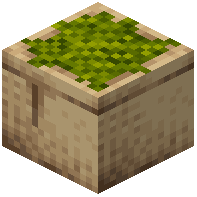 Bag of Tea Leaves.
 - Storing dried tea harvests in burlap bags keeps herbs fresh and protects leaves from moisture damage during sea voyages.
- Unpack tea bags into individual measures of
 Dried Green Tea whenever kettle brewing or cauldron infusions are required.
 - Brewing with properly cured and dried tea leaves produces beverages with richer flavor notes and longer-lasting vitality buffs.
- Establishing outdoor drying terraces adjacent to tea plantations streamlines farm-to-table processing for multiplayer communes.
Commercial Tea Farming and Market Distribution
Scaling up tea processing turns simple agricultural plots into prosperous commercial tea merchant estates:
- Construct multi-tier smoking racks powered by automated hopper feeds to smoke dozens of tea stacks simultaneously.
- Color-code market stalls with black and green dyes produced exclusively from your plantation's surplus tea leaves.
- Package assorted tea leaves into decorative wooden crates to trade with village tavern keepers for emerald profits.
- Keeping well-stocked pantries of dried tea varieties ensures your tea house remains the centerpiece of community gatherings.