
Forging Weapons with Smithing Hammers & Anvils
Forging historical weapons requires specialized smithing stations, tailored striking hammers, and dedicated weapon grips rather than basic wooden crafting tables. Setting up a dedicated workshop allows weapon smiths to hammer raw ingots and nuggets into sharp bladed arms, maces, and polearms.
Constructing the Workshop Stations
A complete forging workshop relies on two core workstations: the carpenter workbench and the metallurgical forge.
- Workbench: Crafted by arranging two
 Flint items flanking one
 Stick across the top row of a crafting grid, with five dark oak logs filling the middle and bottom rows. The workbench provides the carpentry base needed to carve grips and handles.
- Forge: The foundational forging station crafted using one
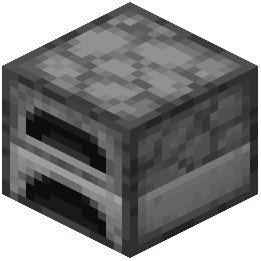 Furnace, one
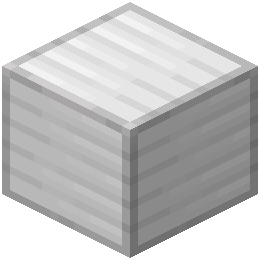 Block of Iron, one
 Water Bucket, one Workbench, and four
 Iron Ingot bars. The quench bucket, anvil plate, and hearth built into the block provide the required thermal environment for weapon shaping.
- Nether Forge: An advanced high-temperature forge required for endgame alloys. Crafted by combining one
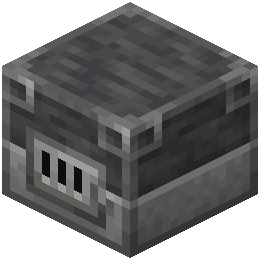 Blast Furnace, one
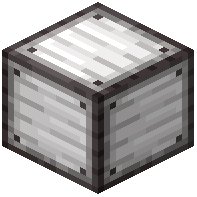 Block of Steel, one
 Blaze Rod, four
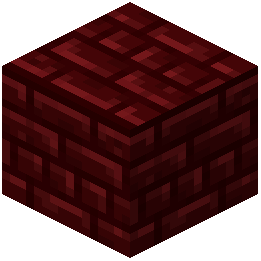 Red Nether Bricks, and your existing Forge.
Crafting Smithing Hammers
Smithing hammers serve as the active striking implements across all forging operations. Each hammer tier is crafted using five material ingots in an inverted T-shape supported by two Stick handles:
 Wooden Smithing Hammer: Assembled from five
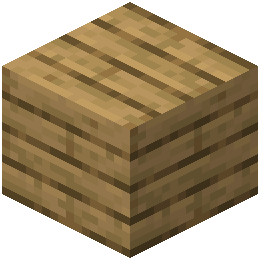 Oak Planks and two sticks.
 Stone Smithing Hammer: Made from five
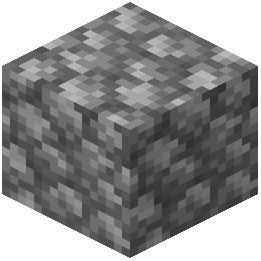 Cobblestone blocks and two sticks.
 Copper Smithing Hammer: Formed from five
 Copper Ingot bars and two sticks.
 Iron Smithing Hammer: Crafted using five Iron Ingot bars and two sticks.
 Golden Smithing Hammer: Made with five
 Gold Ingot bars and two sticks.
 Diamond Smithing Hammer: Forged from five
 Diamond gems and two sticks.
 Steel Smithing Hammer: Fabricated using five
 Steel Ingot bars and two sticks.
 Netherite Smithing Hammer: Upgraded on a smithing table by combining one
 Smithing Template, one Diamond Smithing Hammer, and one
 Netherite Ingot.
Using higher-tier hammers dramatically accelerates forging cycles and ensures sufficient strike power to shape hardened metals.
Assembling Grips and Forging Weapons
Before striking metal into shape, smiths must prepare appropriate grips on the workbench:
 Handle: Crafted by placing one
 Leather piece between two Stick items in a vertical column. This yields two insulated leather handles, which serve as the foundation for swords, daggers, rapiers, and katanas.
- Long weapons such as spears, maces, halberds, and war hammers use an ordinary wooden Stick as their primary haft.
- For emergency defense, players can also craft a simple
 Cudgel directly from one dark oak log and two sticks.
To forge any weapon, place the required metal ingot, a matching metal nugget, and the chosen handle or stick into the Forge interface. Striking the metal with an equipped smithing hammer draws out the blade or hammer head.
If you ever forge unwanted arms or acquire obsolete battlefield loot, metal weapons can be placed into a furnace or blast furnace to smelt them cleanly back into single ingots.