
Ruby Ingots, Necoium, and Swapping Between Gem Tiers
Ruby gear in Mythic Upgrades is upgraded onto an existing tool at a smithing table, and the base item does not have to be netherite. Any other gem tool of the same type works just as well, which makes ruby a lateral move rather than a rung on a ladder. That one rule saves an enormous amount of material once you know it.
Where ruby comes from
Ruby is a Nether gem. It generates in the Mythic Rifts, a Nether biome the mod adds, alongside  Sapphire. That is why there is no deepslate ruby ore: rubies were never an Overworld resource, and the hours some players spend strip-mining below Y 0 for them are wasted.
Inside the Mythic Rifts, ruby is generous:
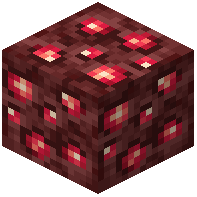 Ruby Ore is attempted twenty times per chunk, anywhere between Y 0 and Y 128.
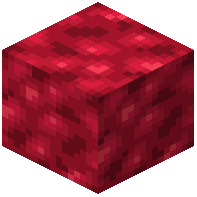 Ruby Schist generates as blobs thirty times per chunk between Y 5 and Y 120, and gives the biome its red walls.
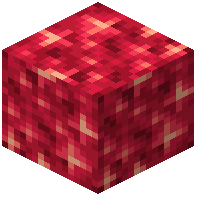 Block of Ruby Crystal blobs and budding crystal clusters are placed eight and fourteen times per chunk respectively over the same band.
Ruby geodes are also sprinkled through every Nether biome, so an occasional geode can turn up in an ordinary crimson forest or soul sand valley. As in the Overworld, geodes are the rare fallback and the biome is the reliable source.
Mining works exactly as it does for the Overworld gems. Ruby Ore drops one  Ruby, with Fortune applying the standard ore multiplier and Silk Touch returning the block. A
  Ruby Crystal Cluster gives four
  Ruby Crystal Shard to a pickaxe and two to anything else, and
 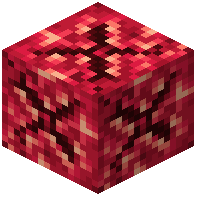 Budding Ruby Crystal drops nothing.
Forging the Ruby Ingot
Raw gems never go straight into a smithing table. The upgrade material is the  Ruby Ingot, made shapelessly from four Ruby and four
  Necoium Ingot. Necoium is the mod's binder metal and every gem tier needs it, so a necoium supply is the real bottleneck on gearing up, not the rubies themselves.
Nine Ruby Ingot compress into a 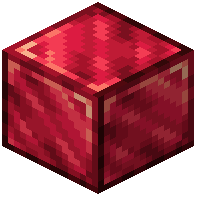 Block of Ruby and the block unpacks back into nine, which is the cleanest way to haul a large batch home.
The smithing step
At a smithing table you need three items:
- A
 Smithing Template in the template slot
 - The base tool, weapon or armour piece in the middle slot
- One Ruby Ingot in the addition slot
The result is the same item in ruby form, and all nine equipment shapes are covered: sword, pickaxe, axe, shovel, hoe, helmet, chestplate, leggings and boots.
Any tier can become ruby
Here is the part most write-ups miss. The valid base items for a ruby upgrade are not just netherite. Every one of these transforms into the matching ruby piece with a single Ruby Ingot:
 Ametrine
 Aquamarine
 Citrine
 Jade
Jade Peridot
 Topaz
TopazThe reverse holds too. A  Ruby Sword accepts an
  Ametrine Ingot,
  Aquamarine Ingot,
  Citrine Ingot,
  Jade Ingot,
  Peridot Ingot,
  Sapphire Ingot or
  Topaz Ingot and becomes that tier instead. The gem tiers form a flat ring, not a staircase, so nothing is ever a dead end.
Two practical consequences follow:
- You never need to re-craft a base item. If you have already sunk enchantments and repairs into an aquamarine pickaxe and you later want ruby, one ingot converts it and the enchantments ride along.
- You can chase whatever gem you found first. If your world dropped you into the Nether before you ever saw a mythic cave, start on ruby and convert later. Nothing about the order costs you material.
Building the set
A full ruby loadout is nine pieces, so nine Ruby Ingot, which is thirty-six Ruby and thirty-six Necoium Ingot on top of nine base items and nine smithing templates. Plan the necoium first; the Nether trip for rubies is short by comparison, because twenty ore attempts per chunk inside the Mythic Rifts fills a shulker quickly.
If you are outfitting a whole set, convert gear you already own rather than starting fresh. Enchanted netherite tools in your inventory are the cheapest possible base, and the smithing step keeps every enchantment on them.
 Aquamarine Pickaxe