
Sewing Bear Plushes and Tracking Woodland Fauna
guide
Crafting Cozy Decorative Bear Plushes
Bringing warmth and rustic charm to survival cabins begins by sewing handcrafted decorative wildlife toys.
- Combining soft wool blocks, leather patches, and string on a crafting table stitches an adorable
 Bear Plush.
 - Placing bear plushes upon wooden chairs and beside beds adds heartwarming personality to wilderness cottages.
- Right-clicking a bear plush produces cheerful squeaks, delighting visiting guild members and traveling companions.
- Dyeing wool before stitching creates distinct plush color variants, matching grizzly, black, and polar bear species.
- Displaying plush collections upon nursery shelves creates cozy, welcoming sanctuaries away from harsh wilderness perils.
- Crafting bear plushes provides a delightful aesthetic reward after completing extensive woodland zoological surveys.
- Packing bear plushes in expedition backpacks brings a comforting reminder of home during long survival journeys.
Tracking Woodland Deer and Harvesting Antlers
Exploring deep temperate forests and taiga woodlands brings naturalists into contact with graceful wild deer herds.
- Stalking deer herds requires crouching silently behind foliage to avoid startling sensitive, flighty animals.
- During seasonal molting cycles, mature stags naturally shed their majestic crown, dropping a pristine
 Antler.
 - Collecting shed antlers allows craftsmen to fashion authentic rustic chandeliers, knife handles, and wall mounts.
- Grinding antlers into fine organic bone meal produces high-potency fertilizer that accelerates crop development.
- Feeding wild deer crisp apples encourages herds to remain near your homestead, creating tranquil pastoral views.
- Preserving pristine antler specimens in museum display cases showcases your dedicated field tracking achievements.
- Installing wooden observation blinds along meadow borders allows naturalists to photograph deer herds without disturbance.
Observing Forest Ant Hills and Froglass Glazing
Investigating woodland forest floors reveals industrious insect colonies working within towering earthen mounds.
- Approaching soil mounds discovers complex subterranean insect nests known as a thriving
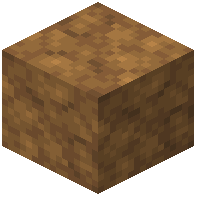 Ant Hill.
 - Watching ant colonies work reveals individual worker insects carrying leaves, including the industrious
 Ant.
Ant. - Collecting bioluminescent slime from crimson tree frogs produces brilliant panes of
 Crimson Froglass.
 - Synthesizing glowing amphibian secretions yields jars of luminous, restorative
 Glow Goop.
 - Glow goop serves as a natural lantern paste, illuminating dark cave trails and outdoor pathways with gentle light.
- Mastering plush crafting, wildlife tracking, and insect observation enriches your bond with the natural world.
- Protecting wild ant hills from trampling preserves essential forest ecosystem balances across your survival territory.
 Rat
Rat