
Furnace, Alloy, and Casting Guide for Oritech Metals
Smelting Basics
The Electric Furnace handles standard smelting tasks, converting raw materials into usable metal forms. It processes 25 known recipes that cover dusts, gems, and raw ores.
- Dust to Ingot: Most metal dusts, including Adamant, Biosteel, Copper, Duratium, Electrum, Energite, Gold, Iron, Nickel, and Platinum, smelt directly into their corresponding ingots.
- Gem to Ingot: Copper, Gold, Iron, Nickel, and Platinum gems also smelt into ingots.
- Small Dust to Nugget: Small Copper, Gold, Iron, Nickel, and Platinum dusts produce nuggets instead of full ingots.
- Raw Ore to Ingot: Raw Nickel and Raw Platinum smelt into their ingots.
- Special Cases: Polymer Resin smelts into Plastic Sheets, and Raw Silicon becomes Silicon.
Blasting Operations
The 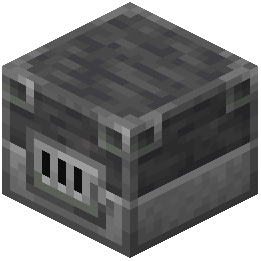 Blast Furnace provides a faster alternative for many of the same conversions, with 26 recipes total. It covers all the dust, gem, and small dust recipes listed for smelting, plus additional crushed ore inputs.
- Crushed Raw Nickel and Crushed Raw Platinum are exclusive to the Blast Furnace, smelting into Nickel and Platinum Ingots respectively.
- Raw Nickel and Raw Platinum also work here, as do Polymer Resin and all the standard dusts and gems.
Alloying Fundamentals
Alloying combines multiple inputs into advanced metal alloys. The standard Alloy process has 5 recipes, each producing a single ingot type:
- Adamant Ingot
- Biosteel Ingot
- Duratium Ingot
- Electrum Ingot
- Energite Ingot
The Alloy Furnace expands on this with 8 recipes. It can produce the same advanced alloys, but also handles batch outputs—for example, one recipe yields Copper Ingot x3, meaning you get three ingots from a single operation.
Choosing Your Processing Method
Select your equipment based on the material and desired output:
- Use the Electric Furnace for basic smelting of dusts, gems, and raw ores into ingots or nuggets.
- Use the Blast Furnace when you need faster processing or when working with crushed raw ores.
- Use the Alloy process for advanced alloys like Adamant, Biosteel, Duratium, Electrum, or Energite.
- Use the Alloy Furnace when you need those same alloys or want to batch-produce Copper Ingots in groups of three.
Practical Tips
- Keep your dusts organized by metal type—small dusts always yield nuggets, while full dusts yield ingots.
- If you have both raw ore and crushed raw ore, remember that crushed versions only work in the Blast Furnace.
- For plastic production, run Polymer Resin through either furnace type.
- When you need multiple Copper Ingots, check if the Alloy Furnace recipe is more efficient than smelting individual copper dusts or gems.
- Advanced alloys require the Alloy or Alloy Furnace—standard smelting will not produce them.
Material Reference
The following metals appear across multiple processing methods:
- Copper: Dust, gem, small dust, and raw forms all smelt or blast into ingots or nuggets. The Alloy Furnace also produces Copper Ingots in batches of three.
- Nickel and Platinum: Available as dust, gem, small dust, raw ore, and crushed raw ore. Use the Blast Furnace for crushed forms.
- Gold and Iron: Standard dust, gem, and small dust conversions apply.
- Adamant, Biosteel, Duratium, Electrum, Energite: These exist primarily as dusts that smelt into ingots, and as alloy products from the Alloy or Alloy Furnace.
Plan your ore processing line around these distinctions to avoid wasting materials in the wrong machine.
Covers the mod’s in-game guide topics: Smelting Blasting Alloy Alloy Furnace Alloy Smelting Alloying
 Biosteel Ingot
 Duratium Ingot
 Electrum Ingot
 Energite Ingot
 Platinum Ingot
 Adamant Ingot
 Plastic Sheet
 Platinum Dust
 Polymer Resin
 Platinum Gem
 Raw Platinum