
How to Assemble the Multi-Block Pressure Chamber
guide
Constructing the Sealed Pressure Chamber Shell
Transforming raw components into advanced circuitry requires erecting an airtight multi-block pressure chamber.
- Erecting the structural frame requires assembling hollow walls using reinforced
 Pressure Chamber Wall blocks.
 - Installing transparent viewing panes with heavy-duty
 Pressure Chamber Glass allows technicians to monitor interior reactions.
 - The chamber must form a sealed three-by-three-by-three cube containing empty interior airspace for compression operations.
- Pumping high-pressure pneumatic air into the sealed chamber is handled by mounting a
 Pressure Chamber Valve.
 - Connecting pressurized conduits from an air compressor delivers compressed air through high-grade
 Pressure Tube lines.
 - Sealing all structural seams ensures the pressure chamber retains internal atmosphere without catastrophic explosive decompression.
- Maintaining an automated pressure relief valve prevents internal bar levels from exceeding safe multi-block structural tolerances.
Automated Item Feeding with Chamber Interfaces
Routing raw crafting ingredients into and out of the pressurized volume requires installing specialized portal interfaces.
- Mounting bidirectional transit ports into chamber walls is accomplished by installing a
 Pressure Chamber Interface.
 - One interface can be configured to filter input items, while a secondary interface extracts completed compression yields.
- Dropping raw iron into high-pressure air compresses the molecular structure into an ultra-dense
 Compressed Iron Ingot.
 - Compressed iron provides the foundation for building heavy industrial compressors, drills, and pneumatic tool frames.
- Compressing redstone dust alongside gold and coal produces printed circuit board substrates for digital logistics chips.
- Establishing continuous conveyor feeds into the input interface automates mass compressed iron manufacturing effortlessly.
- Positioning collection hoppers beneath extraction interfaces routes finished ingots into automated storage bins immediately.
Pneumatic Safety and Pressure Management
Operating high-pressure compression multi-blocks demands strict workshop monitoring to prevent catastrophic industrial over-pressurization.
- Install automated redstone threshold monitors along pressure tubes to shut down air compressors before reaching critical thresholds.
- Surround the pressure chamber with reinforced blast walls to contain incidental explosions during high-pressure experimentation.
- Maintain backup pressure tubes and replacement chamber valves inside workshop toolboxes for rapid emergency maintenance.
- Positioning heat sinks around air compressors dissipates intense thermal buildup, maximizing pneumatic pumping efficiency.
- Mastering pressure chamber assembly and interface automation establishes the cornerstone of pneumatic heavy industry.
- Conducting regular diagnostic inspections on tube gaskets ensures zero air leakage across large industrial production facilities.
 Air Compressor
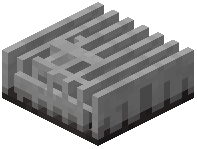 Heat Sink
 Chips
Chips