
Operating the Refined Storage Network Interface
guide
The 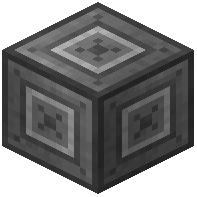 Interface in Refined Storage acts as a dual-purpose logistics gateway, maintaining item buffer stocks and transferring materials between external machines.
Constructing and Powering the Network Interface
Connecting external automated factories to your central digital storage network begins with assembling network interfaces:
- Craft the foundational Interface at a crafting table using machine casings, quartz iron, and basic processors.
- Place the interface block directly against network cables or adjacent to the side face of an external smelting furnace.
- Ensure the interface connects back to a powered network controller via covered network cables or direct block adjacency.
- Open the interface graphical interface to configure top export buffer slots and bottom return holding matrices.
- Specify exact quantities of raw ores, coal, or crafting components to hold permanently within the interface buffer.
- The digital network constantly replenishes the interface buffer, keeping connected industrial machines fully fed.
- Interfacing with storage disk drives requires the specialized variant known as the Disk Interface.
External Machine Automation and Logistics Cycles
Interfaces streamline complex automated processing loops by acting as dedicated item input and extraction nodes:
- Attach item extraction hoppers or external pipes to the interface faces to pull buffer stock into adjacent machines.
- Configure machines to eject finished products directly back into the interface to deposit items into the digital network.
- Setting up interfaces alongside pulverizers, blast furnaces, and smelteries creates fully closed automated production loops.
- Crafting interfaces requires forging durable plates of
 Quartz Enriched Iron combined with a sturdy
 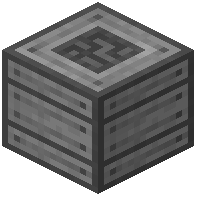 Machine Casing.
 - Advanced processing routines benefit from integrating high-speed calculating units powered by a
 Basic Processor.
 - Master engineers install
 Advanced Processor units across automated networks to handle high-frequency item routing.
Network Optimization and Interface Management
Standardizing interface layouts throughout your base eliminates item bottlenecks and prevents system lockups:
- Name individual interfaces using anvils or labeling tools to identify specific factory wings in management menus.
- Connect pattern crafters directly facing interfaces to feed on-demand autocrafting ingredients into specialized machinery.
- Periodically audit interface buffer contents through network monitors to verify that items move smoothly without jamming.
- Mastering the network interface transforms disparate standalone machines into an unified, high-speed automated factory.
 Pattern
 Cable
Cable