
Quarrying Argillite Strata and Chalk Cliff Masonry
guide
Quarrying and Carving Pale Chalk Cliffs
Exploring towering coastal headlands and rolling downland plateaus reveals soaring cliffs of pure white mineral stone.
- Quarrying soft mineral cliff faces extracts dense, pale textured sedimentary blocks known as raw
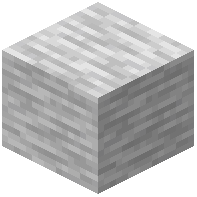 Chalk.
 - Feeding raw chalk through mechanical stonecutters slices neat, pristine construction cubes called
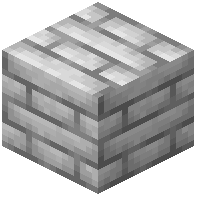 Chalk Bricks.
 - Architects can also chisel grand monumental structural columns known as an ornate
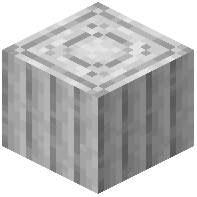 Chalk Pillar.
 - Smoothing rough mineral blocks upon lapidary wheels produces gleaming, marble-like slabs of
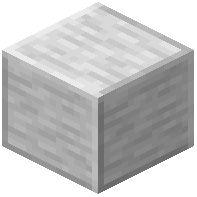 Polished Chalk.
 - Under temperate maritime rains, chalk soils develop velvety sod known as a lush
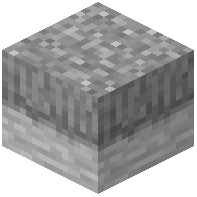 Chalk Grass Block.
 - Stockpiling quarried chalk ensures architects have abundant pale masonry for erecting majestic lighthouses and temples.
- Using enchanted efficiency pickaxes accelerates chalk quarrying along exposed coastal cliff faces.
Excavating Terracotta-Rich Argillite Strata
Delving into ancient sedimentary river canyons uncovers dense, clay-rich geological formations.
- Quarrying subterranean strata uncovers rugged, warm-toned sedimentary blocks known as dense
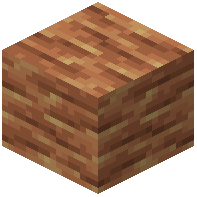 Argillite.
 - In damp riparian biomes, argillite strata support lush turf called an authentic
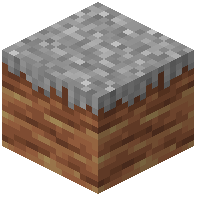 Argillite Grass Block.
 - Argillite stone possesses remarkable blast resistance, making it an ideal foundational material for fortified river bastions.
- Prospecting deep volcanic caverns uncovers spiky, crystalline subterranean clusters known as a
 Blackstone Cluster.
 - Mounting blackstone clusters along fortress walls creates imposing defensive parapets that deter climbing monsters.
- Interlocking warm argillite masonry with pure white chalk bricks creates stunning neoclassical architectural facades.
- Transporting quarried stone inside minecart convoys ensures masonry workshops remain supplied for massive projects.
Designing Monumental Classical Architecture
Integrating polished chalk pillars, argillite foundations, and blackstone accents creates palatial monumental complexes.
- Erect soaring colonnades around temple plazas using chalk pillars to replicate grand ancient Mediterranean shrines.
- Pave central plaza courtyards with polished chalk slabs and dark stone mosaics for breathtaking aesthetic elegance.
- Incorporate argillite retaining walls along terraced hillside gardens to prevent soil erosion during heavy rains.
- Install concealed ambient lighting beneath chalk stairs to illuminate monumental facades with soft radiance at dusk.
- Mastering chalk quarrying, argillite masonry, and classical design transforms raw terrain into breathtaking empires.
- Conducting regular architectural inspections ensures stone seams remain flawless against intense elemental weather.
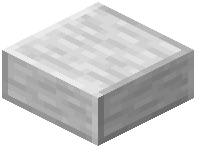 Polished Chalk Slab
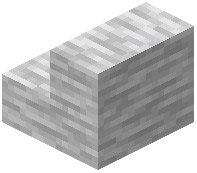 Chalk Stairs
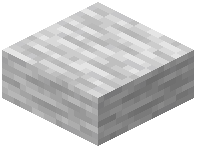 Chalk Slab
 Aster
Aster