
Exploring Alphacene Flora and Catching Deepfish
guide
Navigating the Ancient Alphacene Biome
Venturing into mysterious secluded valleys reveals primordial landscapes carpeted in prehistoric botanical life.
- Exploring ancient valleys reveals dense, emerald turf known across botanical guilds as an
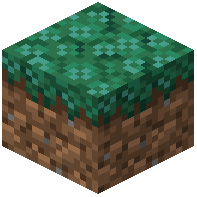 Alphacene Grass Block.
 - Harvesting vibrant, glowing fungal growths discovers oversized ancient caps called an
 Alphacene Mushroom.
 - Under damp shaded rock ledges, harvesting velvety green carpets yields thick layers of
 Alphacene Moss Block.
 - Alphacene moss blocks absorb kinetic vibration, completely dampening running footstep noise across hunting trails.
- Transplanting wild alphacene mushrooms into domestic cellars allows brewers to ferment potent subterranean draughts.
- Stockpiling alphacene turf enables landscape architects to sculpt primordial prehistoric gardens around estates.
- Carrying an enchanted silk touch shears allows for clean harvesting of delicate moss carpets and fungal caps.
Catching Abyssal Deepfish in Subterranean Trenches
Diving into pitch-black flooded cavern trenches pits anglers against bizarre bioluminescent aquatic fauna.
- Scooping subterranean water currents with an iron bucket catches the elusive glowing creature in a
 Bucket of Deepfish.
 - Transporting live deepfish allows marine biologists to populate indoor aquarium exhibits with glowing cave fauna.
- Releasing deepfish into subterranean garden fountains illuminates dark underground plazas with gentle azure light.
- Harvesting deepfish fillets produces tender, vitamin-rich seafood rations that bestow night vision when consumed.
- Searching sandy underground lake shores uncovers massive, heavy fossilized clutches called a
 Cruncher Egg.
 - Incubating cruncher eggs on warm magma blocks hatches ferocious prehistoric aquatic predators for base defense.
- Building reinforced glass aquarium tunnels allows visitors to admire deepfish and crunchers safely from dry walkways.
Designing Prehistoric Zoological Exhibits
Integrating alphacene turf, glowing mushrooms, and deepfish aquariums creates captivating prehistoric nature exhibits.
- Construct sprawling indoor vivariums replicating ancient carboniferous atmospheres with controlled moisture and temperature.
- Pave visitor walkways with smooth mossy stone to guide guests safely between predator pens and floral beds.
- Install automated fish feeders along aquarium tanks to keep captive aquatic carnivores satisfied and healthy.
- Mount educational brass plaques beside cruncher enclosures detailing the evolutionary history of prehistoric species.
- Mastering alphacene exploration, deep-sea angling, and zoological design establishes a world-class natural history haven.
- Conducting regular enclosure safety audits guarantees containment barriers remain secure against aggressive species.
 Alphacene Grass
 Species