
Incubating Prehistoric Mammal Embryos in Unusual Prehistory
The 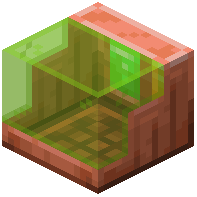 Incubator serves as an artificial birthing pod for mammal and serpent embryos in Unusual Prehistory. Because prehistoric mammals and gigantic serpents cannot hatch from terrestrial egg blocks, players must deploy this specialized heated chamber to gestate living newborn infants safely.
Constructing the Birthing Chamber
Assembling an Incubator requires specialized thermal insulation and organ tissue obtained from anomalous fauna. In a crafting table:
- Place two
 Insulator items on the top row separated by one
 Lime Stained Glass block in the center.
- Position two
 Copper Ingot pieces on the middle sides, surrounding a central jar of
 Organic Ooze.
- Arrange two
 Redstone Dust piles in the lower corners, framing an
 Encrusted Organ in the bottom center.
Crafting thermal insulation requires harvesting materials from cold biomes and the Nether. Combining one  Smilodon Fur pelt, one
 Magma Cream, and one
 Light Blue Wool in any shapeless crafting grid yields one Insulator. Obtaining the Encrusted Organ requires locating and vanquishing the hostile subterranean Encrusted entity.
Incubation Mechanics and Birthing Cycles
Unlike tabletop processing benches, the Incubator operates as a functional physical block placed directly into the Minecraft world.
- Right-clicking the placed incubator block with a compatible mammal or serpent embryo seats the biological container inside the transparent chamber.
- The gestation process proceeds steadily inside the temperature-regulated pod.
- As internal development nears full term, the exterior glass pod displays visible stress lines, visibly transitioning from an uncracked shell to a fractured block state.
- At the completion of the incubation cycle, the chamber structure cracks open, dropping its salvaged components while releasing the living infant mob directly into the immediate environment.
Supported Prehistoric Mammals and Serpents
Six distinct prehistoric species require embryonic incubation rather than egg placement:
 Mammoth Embryo: Synthesized from mammoth DNA; hatches a juvenile baby mammoth capable of growing into a massive woolly pachyderm.
 Smilodon Embryo: Gestates a newborn baby saber-toothed cat that can be reared into an agile feline protector.
 Megatherium Embryo: Yields an infant giant ground sloth. While juvenile, the baby sloth can be scooped into carrying armor.
 Gigantopithecus Embryo: Develops into a juvenile ape capable of tool usage and foraging assistance upon reaching maturity.
 Paraceratherium Embryo: Incubates into a colossal hornless rhinoceros calf, eventually maturing into one of the largest land mammals.
 Palaeolophis Embryo: Sourced from analyzed opal fossils; gestates a juvenile sea serpent that thrives in oceanic trenches.
 Opal Fossil