
Extracting Prehistoric DNA with the Analyzer in Unusual Prehistory
The 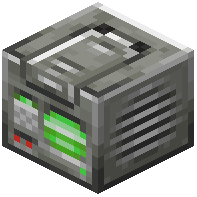 Analyzer recovers viable genetic material from fossilized strata, prehistoric flora, and frozen animal tissues in Unusual Prehistory. Operating this electronic laboratory workstation serves as the mandatory primary step for all paleontology workflows, transforming inert mineralized relics into sealed DNA flasks ready for biological cultivation.
Fabricating the Analyzer and Glass Flasks
Constructing an Analyzer requires advanced metalworking materials alongside a delicate laboratory container. Placing five  Iron Ingot items across the top row and side columns of a crafting table, one
 Flask in the central slot, two
 Copper Ingot pieces in the lower corners, and one
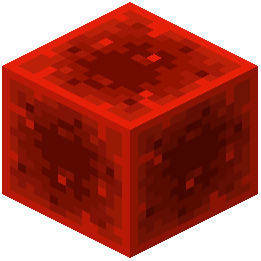 Block of Redstone in the bottom center yields one Analyzer.
Storing recovered genetic solutions requires specialized laboratory glassware. Crafting the Flask requires six  Glass blocks placed in a cauldron-like U-formation: one glass block on the top middle, two on the middle row sides, and a full row of three glass blocks across the bottom. This recipe outputs three empty flasks.
Analyzing Mechanics and Internal Architecture
The Analyzer internal container features eight operational inventory slots designed for streamlined batch processing.
- The specialized flask slot (slot 0) holds a stack of empty Flask containers waiting to receive isolated biological fluid.
- The material intake slot (slot 1) accepts raw fossils, frozen specimens, petrified wood, or biological samples.
- Six dedicated output receptacles (slots 2 through 7) collect completed DNA flasks and mineral byproducts.
- Each processing cycle lasts several moments as the machine centrifuges and filters the sample.
When an analysis cycle produces a genetic sequence, the machine automatically consumes one empty Flask from the input slot to seal the recovered solution. However, if the process yields basic geologic residue such as coal, cobblestone, or bone fragments, no flask is consumed.
Fossil Classification and Extraction Yields
Different fossil types yield distinct genetic lineages according to their geological age and environmental preservation:
 Amber Fossil: Mined from jungle stone deposits between Y 11 and Y 256. Analysis yields
 Brachiosaurus DNA Flask,
 Tyrannosaurus Rex DNA Flask,
 Triceratops DNA Flask,
 Hwachavenator DNA Flask, or
 Encrusted DNA Flask.
 Frozen Fossil: Recovered from cold permafrost layers between Y -64 and Y 32. Yields
 Ice,
 Mammoth DNA Flask,
 Megatherium DNA Flask,
 Gigantopithecus DNA Flask, or
 Smilodon DNA Flask.
 Mesozoic Fossil: Discovered in mid-depth underground stone between Y -48 and Y 58. Produces
 Coal,
 Cobblestone,
 Bone, or dinosaur samples including
 Velociraptor DNA Flask,
 Austroraptor DNA Flask,
 Antarctopelta DNA Flask,
 Kentrosaurus DNA Flask, and
 Majungasaurus DNA Flask.
 Paleozoic Fossil: Sourced from deep subterranean deepslate strata. Yields primitive aquatic and amphibian specimens such as
 Dunkleosteus DNA Flask,
 Stethacanthus DNA Flask,
 Scaumenacia DNA Flask, and
 Cotylorhynchus DNA Flask.
 Plant Fossil: Yields ancient flora strains such as
 Archaeosigillaria DNA Flask,
 Bennettitales DNA Flask, and
 Prehistoric Horsetail DNA Flask, alongside garden moss and ferns.
 Tar Fossil: Found in rare surface tar pits. Yields
 Megalania DNA Flask,
 Barinasuchus DNA Flask, and
 Paraceratherium DNA Flask.
- Direct harvesting of biological tissues from defeated prehistoric creatures (such as raw meat or fruit) analyzes directly into the corresponding specimen flask.