
Excavating Cave Sherds and Ancient Sandstone Masonry Guide
guide
Uncovering Historic Pottery Sherds in Cave Dig Sites
Delving into subterranean desert ruins provides archaeologists with rare artifacts documenting lost subterranean dynasties.
- Searching buried cave ruins beneath arid biomes discovers preserved archaeological dig sites filled with suspicious sand.
- Brushing delicate suspicious sand deposits reveals fragments of historic ceramics like the
 Clock Pottery Sherd.
 - Continuing careful archaeological excavation uncovers temporal ceramic remnants known as the
 Hourglass Pottery Sherd.
 - Firing collected pottery sherds with clay at a furnace reconstructs ornate decorative urns and historical amphorae.
- Displaying reconstructed urns across museum wings showcases the timeline of ancient cave civilizations to visitors.
- Cataloging sherd patterns helps scholars reconstruct the mythologies and astronomical knowledge of early miners.
- Brushing sand requires gentle strokes with copper brushes to avoid shattering fragile ceramic relics into useless dust.
- Preserving unexcavated dig sites allows visiting guild archaeologists to participate in collaborative research expeditions.
Crafting Architectural Elements from Ancient Sandstone
Kits of excavated masonry provide builders with weathered geological materials ideal for authentic historical reconstructions.
- Shaping dense subterranean sandstone on a stonecutter fashions elegant, weather-worn
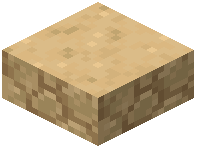 Ancient Sandstone Slab.
 - Assembling stepped architectural ascents across temple courtyards utilizes sturdy
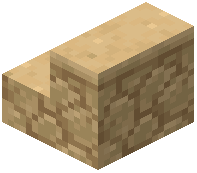 Ancient Sandstone Stairs.
 - Erecting protective boundary perimeters around subterranean excavations utilizes fortified
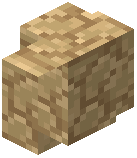 Ancient Sandstone Wall.
 - Combining ancient sandstone walls with iron bars constructs authentic ancient dungeon cells and reliquary vaults.
- Paving grand hall floors with polished ancient slabs creates dignified ceremonial walkways inside buried temples.
- Flanking grand palace entrances with carved sandstone pillars conveys timeless antiquity and archaeological grandeur.
- Blending ancient sandstone blocks with cracked stone bricks simulates centuries of subterranean weathering and age.
- Using stonecutter tables maximizes block yield, producing four decorative stairs or slabs per raw sandstone block.
Restoring Subterranean Monuments and Heritage Sites
Preserving discovered historical structures elevates world history while providing breathtaking architectural attractions.
- Stabilizing collapsing temple ceilings with reinforced stone pillars ensures archaeological sites remain safe for tourists.
- Illuminating excavated hieroglyphic wall inscriptions with warm lantern light enhances dramatic archaeological ambiance.
- Establishing visitor walkways with sandstone slabs keeps tourist foot traffic from damaging delicate excavation trenches.
- Stashing valuable excavated relics inside locked museum display cases guards historical treasures from looting.
- Hosting server archaeological exhibitions fosters cultural appreciation among multiplayer community members.
- Mastering the archaeological secrets of YUNG's Cave Biomes bridges the gap between mining and historical preservation.
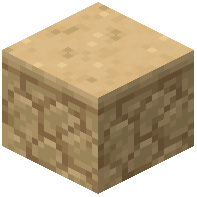 Ancient Sandstone
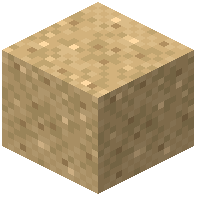 Ancient Sand