
Bauxite Ore Depths and the Aluminium Refining Chain
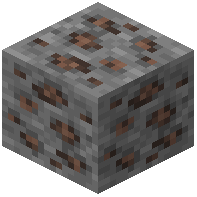 Bauxite Ore generates between Y 32 and Y 112 in every Overworld biome, which puts Immersive Engineering's aluminium supply higher up than almost anything else you mine. If you have been strip-mining at diamond level and finding none, that is why.
Where it generates
The numbers are worth knowing precisely:
- Height range: Y 32 to Y 112
- Distribution: trapezoid, so veins cluster toward the middle of that band and thin out at both ends. Around Y 70 is the densest slice.
- Vein size: up to six blocks
- Frequency: sixteen vein attempts per chunk
- Biomes: every Overworld biome, added at the underground-ore step
Veins are not culled for being exposed to air, so bauxite shows up on open cave walls and ravine faces as readily as it does buried in stone. Exploring a large cave system between Y 40 and Y 90 finds it faster than any tunnel.
Two block forms exist. Bauxite Ore appears in stone and 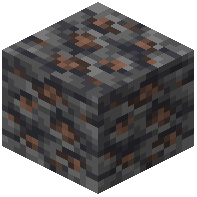 Deepslate Bauxite Ore in deepslate, though at these heights the stone form is what you will almost always meet.
Nine ways to process it
Bauxite becomes  Aluminium Ingot, and the route you choose changes the yield by a factor of two:
Furnace or blast furnace gives one Aluminium Ingot per ore block or per  Raw Bauxite. It costs nothing but fuel and doubles nothing.
 Engineer's Hammer crushing, done in the crafting grid, turns Bauxite Ore or Raw Bauxite into one
  Aluminium Grit. This is the no-machine option and exists mainly so you can process the first few pieces before a factory exists.
Crusher is the first real upgrade:
- Bauxite Ore into 2 Aluminium Grit for 6,000 Flux
- Raw Bauxite into 1 Aluminium Grit plus a 33% chance of a second, for 6,000 Flux
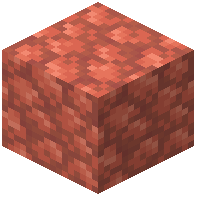 Block of Raw Bauxite into 12 Aluminium Grit for 54,000 Flux
- Aluminium Ingot back into 1 Aluminium Grit for 3,000 Flux, useful for recycling
Arc Furnace is the top of the chain and skips grit entirely:
- Bauxite Ore into 2 Aluminium Ingot plus slag, over 200 ticks for 102,400 Flux
- Raw Bauxite into 1 Aluminium Ingot plus a 50% chance of a second, over 100 ticks for 25,600 Flux
- Block of Raw Bauxite into 13 Aluminium Ingot plus a 50% chance of one more, over 900 ticks for 230,400 Flux
- Aluminium Grit into 1 Aluminium Ingot, over 100 ticks for 51,200 Flux
Read that block recipe carefully. Nine Raw Bauxite compress into a Block of Raw Bauxite, and arc-furnacing the block returns thirteen ingots with a chance of a fourteenth - better than the eleven or so you would average smelting the raw pieces individually, and it processes in a single 900-tick operation instead of nine. Compress before you smelt.
The slag from ore processing is not waste either. It is a valid Garden Cloche fertilizer at a 1.3x growth multiplier, and it goes into concrete.
Turning ingots into parts
The Metal Press shapes aluminium with the mould you fit, each operation costing 2,400 Flux:
- Plate mould: one ingot into one
 Aluminium Plate
 - Rod mould: one ingot into two
 Aluminium Rod
 - Wire mould: one ingot into two
 Aluminium Wire
An Engineer's Hammer in the crafting grid also flattens one ingot into one plate, at the cost of hammer durability. That works in an emergency but the press doubles rods and wires, so route production through it as soon as you have one.
What aluminium is for
Aluminium is the mid-tier structural metal. Aluminium Wire goes into HV wire coils and the advanced electronic components behind blueprints. Aluminium Rod and 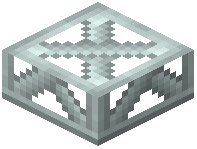 Aluminium Scaffolding Slab build aluminium catwalks. Aluminium scaffolding itself is three ingots and three rods for six blocks, and it is the lighter-looking alternative to steel for machine housings.
A practical mining plan
Dig a branch corridor at Y 70 and light it out to both sides, or better, follow a large cave system through the same band. Sixteen vein attempts per chunk with a trapezoid peak means bauxite is genuinely common at that height - the mistake is looking for it where iron and diamond live. Collect it as Raw Bauxite, compress it into blocks, and hold them until the Arc Furnace is running.
 Advanced Electronic Component
 Aluminium Scaffolding
 Electronic Component