
Making Concrete by Bucket, Mixer, or Crafting Grid
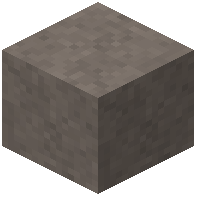 Concrete in Immersive Engineering is made from sand, gravel, clay and water, and there are two routes to it: eight blocks at a time in the crafting grid, or as a pourable fluid from the Mixer. The fluid version is the one that scales, and it is also the one that can trap you in your own build.
The crafting-grid recipe
Arrange sand in the four corners, clay at the top and bottom centre, gravel at the left and right, and a bucket of water in the middle. That returns eight Concrete and gives the empty bucket back. Any sand and any gravel work, including 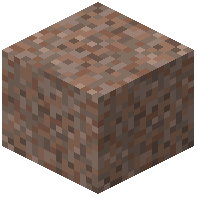 Slag Gravel, which matters because slag is a byproduct your Arc Furnace already produces.
The Mixer recipe
The Mixer takes two sand, one gravel, one clay and 500 mB of water, and outputs 500 mB of Liquid Concrete. Fill a bucket or pipe it directly to where you are building.
Pouring is where the fluid earns its place. Liquid Concrete placed in the world sets into solid Concrete blocks on its own, which means you can flood a foundation trench or a wall cavity and let it harden rather than placing hundreds of blocks by hand. For large civil-engineering shapes this is dramatically faster than the grid recipe.
The trap
Standing in liquid concrete while it sets gives you the Concrete Feet effect, and it does exactly what the name suggests. The game even has an achievement for it. Pour from above, pour from outside the trench, and never pour the last section while you are standing in it.
Every concrete block variant
Once you have base Concrete, the whole decorative family opens up in the crafting grid:
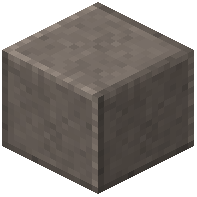 Concrete Tile - four Concrete in a square, returning four
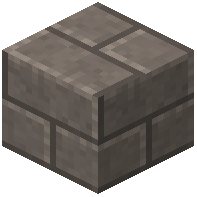 Concrete Brick - four Concrete Tile in a square, returning four
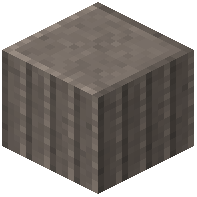 Concrete Pillar - two Concrete Tile stacked, returning two
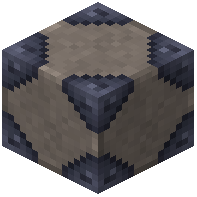 Leaded Concrete - shapeless, one Concrete plus a lead plate
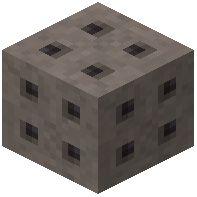 Reinforced Concrete - eight netherite rods around 1,000 mB of concrete fluid, returning four
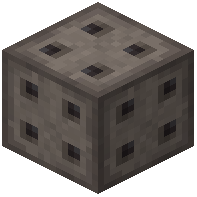 Reinforced Concrete Tile - four Reinforced Concrete in a square, returning four
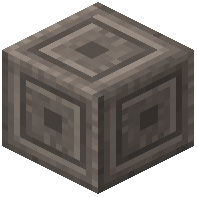 Chiseled Concrete - cut from Concrete or Concrete Tile on a stonecutter
Slabs, stairs and walls follow the vanilla pattern for each of those: three blocks in a row give six slabs, the staircase arrangement gives four stairs, and six blocks in two rows give six walls. Every slab pair also crafts back into its full block, so nothing is a one-way conversion.
Three more forms round out the set: 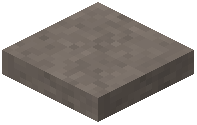 Concrete Panel,
 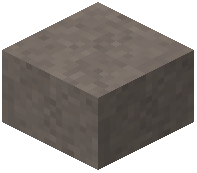 Concrete Chunk and
 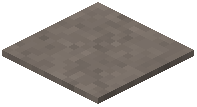 Concrete Sheet are partial-height variants for detailing,
 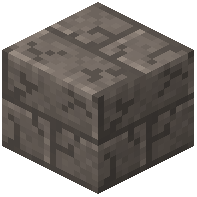 Cracked Concrete Brick is the weathered look, and Quickdry Concrete is the sprayed form.
Vanilla concrete, faster
The Bottling Machine also has a use here that is easy to miss. Feed it any colour of vanilla Concrete Powder with 125 mB of water and it returns the matching solid vanilla concrete block. All sixteen colours are covered. That turns concrete-block production into an automated line instead of a manual water-bucket chore, and at 125 mB per block a single water pump keeps it fed indefinitely.
Which route to use
- Building a machine floor or wall in a normal survival base: the crafting-grid recipe is fine, and eight blocks per craft goes further than it sounds.
- Building foundations, roads or large structural shapes: run the Mixer, carry the fluid, and pour.
- Producing coloured vanilla concrete in bulk: the Bottling Machine, every time.
- Sitting on a pile of Slag Gravel from ore processing: use it as the gravel component and turn a waste product into building material.