
How to Draw Metal Wires with the Rolling Mill
guide
Setting Up and Powering the Rolling Mill
Transitioning rotational mechanical energy into electrical power networks requires precision wire manufacturing.
- Crafting an industrial rolling workstation assembles the kinetic
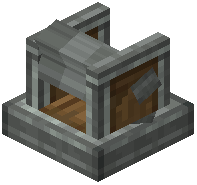 Rolling Mill.
 - Mounting rotational shafts to the base of the machine delivers kinetic torque from water wheels or steam engines.
- The rolling mill requires sufficient rotational speed to compress dense metallic ingots into thin rods and conductive wires.
- Placing conveyor belts beneath the rolling mill allows automated feeding and extraction of intermediate materials.
- Adjusting mechanical gearboxes accelerates processing speeds, allowing high-throughput industrial wire fabrication.
- Properly anchored kinetic shafts ensure the rolling mill operates continuously without mechanical overstress failures.
- Maintaining dedicated speed governors protects the rolling apparatus during abrupt surges in kinetic network velocity.
Drawing Conductive Rods and Wires
Feeding standard metallic ingots into the rolling mill flattens the crystalline structure into elongated rods.
- Passing copper ingots through the compression rollers rolls out a sturdy
 Copper Rod.
 - Feeding copper rods back through the rolling mill draws the metal into flexible
 Copper Wire.
 - Similarly, smiths can compress raw iron ingots into structural
 Iron Rod bars for heavy machinery frames.
 - Rolling refined iron rods a second time draws the metal into resilient
 Iron Wire.
 - For high-voltage applications, rolling gold ingots produces a lustrous
 Gold Rod followed by delicate
  Gold Wire.
 - Alloying gold and silver creates electrum, which rolls into an
 Electrum Rod and ultra-conductive
  Electrum Wire.
 - Stockpiling diverse wire gauges prepares automated factories for expansive electrical grid distribution networks.
Automated Production Lines and Wire Storage
Integrating rolling mills into automated factory lines prevents manual crafting bottlenecks across large tech projects.
- Deploy mechanical arms to pick up finished rods and re-feed them into secondary mills for immediate wire conversion.
- Store surplus drawn wires inside labeled brass chests beside electrical assembly stations for swift retrieval.
- Keep emergency maintenance kits containing spare belts and shafts near active rolling mills for rapid repairs.
- Automated sorting chutes separate standard rods from drawn wires before routing them into component assemblers.
- Mastering kinetic rolling mill operations establishes the essential metalworking foundation for industrial electrification.
- Monitoring ingot delivery hoppers ensures rolling rollers remain supplied during expansive factory expansion projects.